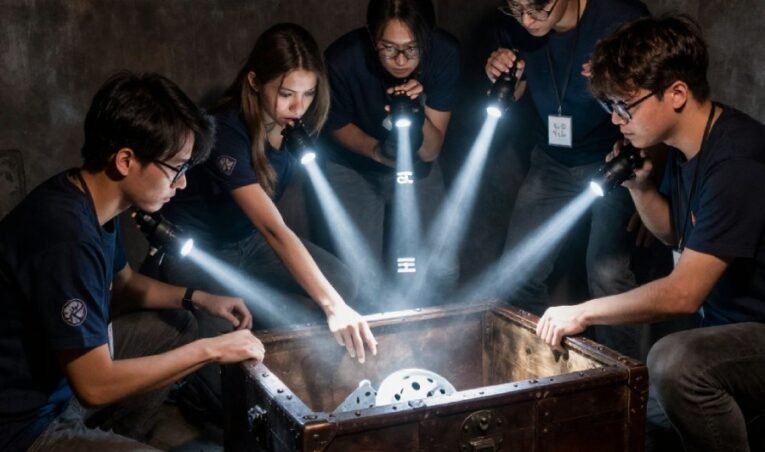
Escape rooms are fast-paced, immersive, and designed to challenge how teams think under pressure. Whether it’s your first game or your fifth, one question always comes up: how to win an escape room?
The truth is, winning an escape room isn’t about raw intelligence or luck. It’s about communication, teamwork, organisation, and staying calm while solving puzzles against the clock. With the right approach, any team can dramatically improve their chances of escaping in time.
This guide walks you through proven escape room strategies that experienced players use to solve puzzles efficiently and enjoy the experience more.
Start Strong: The First Five Minutes Matter
The opening moments of an escape room set the tone for the entire game. A slow start often leads to unnecessary pressure later.
As soon as the game begins:
- Search the room methodically
- Open drawers, boxes, and containers
- Check walls, shelves, and furniture
- Collect every visible clue and object
Place all items in a central area rather than keeping them to yourself. Visibility helps the whole team connect clues faster.
Communicate Constantly (Even the Obvious Stuff)
One of the most common reasons teams fail escape rooms is poor communication.
If you find anything—no matter how small—say it out loud. Numbers, symbols, keys, notes, colours, and patterns often link to puzzles someone else is working on.
Winning an escape room depends on shared information, not individual problem-solving.
Divide and Conquer, Don’t Crowd
Standing around the same puzzle wastes time and creates confusion. Instead, divide the team across multiple tasks.
A good approach:
- One group works on locks or physical puzzles
- Another deciphers riddles or codes
- One person organises items and tracks solved clues
If progress stalls, rotate team members. Fresh eyes often notice details others miss.
Pay Attention to the Audio and Story Context
In our escape rooms, it’s also important to pay attention to the audio playback throughout the game. The story context is often crucial—dialogue, narration, sound cues, and timed audio moments can provide direction, reinforce objectives, and help your team understand what to do next.
To make the most of it:
- Pause and listen when audio starts—don’t talk over it
- Share any key details you hear (names, places, instructions, numbers)
- Connect story information to props, clues, and puzzle themes
- If something doesn’t make sense yet, remember it—some audio hints become relevant later
Treat the audio as part of the puzzle flow. Teams that actively listen tend to stay aligned, avoid confusion, and move through the room more efficiently.

Stay Organised to Think Clearly
Escape rooms are designed to feel chaotic, but organisation gives you a huge advantage.
Helpful habits include:
- Grouping keys by type or colour
- Separating solved clues from unsolved ones
- Keeping used objects aside
- Avoiding rechecking already completed puzzles
A tidy workspace reduces mental clutter and helps patterns stand out.
Follow the Puzzle Flow
Most escape rooms follow a logical progression. Early puzzles unlock mid-game clues, which lead to final challenges.
If a puzzle feels impossible:
- You may be missing a clue
- It could be meant for later
- It might connect to something already found
Understanding this flow prevents frustration and wasted effort.
Manage Your Time, Not Just the Clock
Time pressure is part of the experience, but panicking rarely helps.
Smart time management means:
- Avoiding tunnel vision on one puzzle
- Moving on if you’re stuck for too long
- Revisiting challenges with new clues later
Teams that maintain momentum are far more likely to escape successfully.
Use Hints Early Enough to Stay on Track
Hints are part of the game, not a sign of failure. Using one at the right time can save the entire experience.
Ask for a hint if:
- The team is completely stuck
- Progress has stalled for several minutes
- You’re unsure what to do next
A small nudge can unlock multiple puzzles at once.
Stay Calm and Keep It Fun
Stress clouds judgement. Teams that stay calm and positive solve puzzles more effectively.
Encourage each other, stay focused, and remember:
- Escape rooms are about collaboration
- Mistakes are part of the experience
- Enjoying the process leads to better results
A relaxed team thinks more clearly under pressure.
Play to Everyone’s Strengths
Every team member brings different skills—logic, creativity, observation, or pattern recognition.
Winning escape rooms means:
- Letting people work on what suits them best
- Trusting teammates’ instincts
- Supporting each other rather than competing
Strong teamwork always beats individual brilliance.
Experience Makes a Difference
The more escape rooms you play, the better you become at recognising common puzzle types, lock styles, and design patterns. Over time, teams naturally become faster, more organised, and more confident.
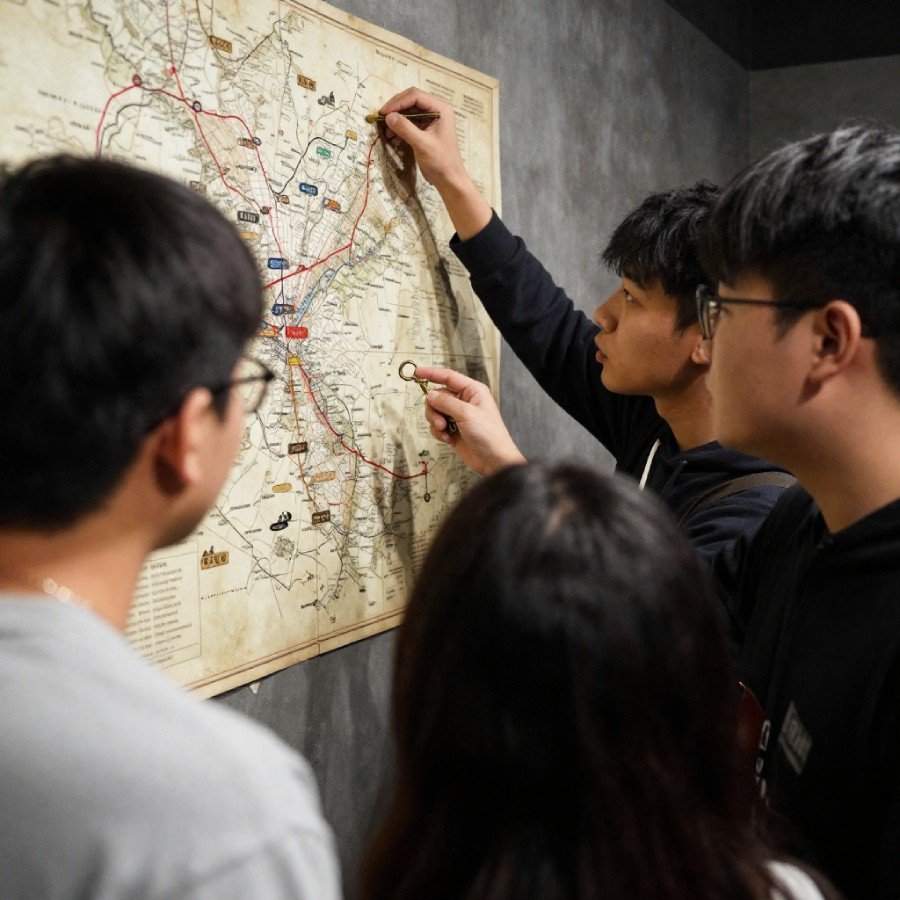
Winning Escape Rooms at Fourth Wall Escape
At Fourth Wall Escape, our themed escape rooms are designed to reward teamwork, communication, and creative thinking rather than guesswork. Each immersive, story-driven experience is carefully balanced to suit different groups and occasions, including:
- Team Building Activities
- Christmas Party in Sydney
- Birthday Party Escape Room
- Hens Party Escape Room
- Buck’s Party Escape Room
- Date Night Escape Room
Every puzzle is built to encourage collaboration—making the journey just as memorable as the escape itself, no matter the occasion.
So, How Do You Win an Escape Room?
Winning an escape room comes down to:
- Clear, constant communication
- Smart task division
- Staying organised
- Managing time effectively
- Knowing when to ask for help
It’s not about rushing—it’s about working together intelligently.
Ready to Put These Tips Into Action?
If you’re keen to test your skills in a real-world escape room experience, Fourth Wall Escape offers immersive, story-driven rooms in Sydney designed to challenge and reward teamwork.
Explore the rooms or book your next escape at:
👉 https://www.fourthwallescape.com/